
Austin (318) 348-4317
Hudredfold Services
Sunroom Addition Contractor Serving the Austin Metro

Craftsmanship That Multiplies Value

Sunroom Addition Contractor Serving the Austin Metro

Three-season and four-season sunrooms built on a real foundation, tied into your existing roofline, and finished to match the house. One team from footing to trim across Austin and the surrounding towns.

$100 estimate

Tell us what you need

Three fields. It reaches a person here, not a call centre.

$100 estimate, credited to your job if you book · Responds within 1 business day


By submitting this form you agree that we may contact you about your request and share your details with partner companies for marketing purposes.

A Sunroom Built to Be Part of the House

You want a sunroom addition, a bright room where you can sit with the yard on three sides without the bugs, the heat, or the glare. That's the goal, and how it's built decides whether you get a room you use year-round or a hot box you avoid from June through September. Hundredfold Services is a sunroom addition contractor working across Austin and the surrounding towns, and we build the whole thing: the foundation, the framing, the roof tie-in, the glazing, and the electrical and finish work that make the room read like it was always there. A sunroom is one of the most popular home addition types we get asked about, and it lives or dies on the same details a full addition does. Call (318) 348-4317 and we'll walk through what your house is actually set up for.

Here's the part a kit salesman won't tell you: a sunroom in Central Texas is a climate problem before it's a construction problem. All that glass that makes the room beautiful in March turns it into an oven in August, when an unshaded, uninsulated sunroom can run 20 to 30 degrees hotter than the rooms behind it. Whether you want a three-season room you close off in the deep summer or a four-season room tied into conditioned air changes the glazing, the insulation, the roof, and the foundation from day one. We tell you which one you're actually building before any number gets discussed, because a sunroom quoted without settling that question is a quote for the wrong room.

Sunroom Addition Ideas Worth Building

Three-season, four-season, and enclosure sunrooms are different jobs. Here's how the popular sunroom addition ideas actually differ before you scope one.

01

Three-season sunrooms

A screened or single-pane glazed room meant for spring and fall, not the peak of a Texas summer or a hard cold snap. It's the lighter build: no full insulation package, often no dedicated HVAC, and a lower cost because it's not held to the same envelope standard as conditioned living space. Great as a morning-coffee and shoulder-season room.

02

Four-season sunrooms

A fully insulated, conditioned room that counts as living space and is comfortable in an Austin August and a January cold front alike. It needs insulated glazing, a proper roof and insulation package, and a plan for heating and cooling, which is why it's built and permitted closer to a standard room addition than a screen porch.

03

Patio and deck enclosures

Enclosing an existing covered patio or deck is often the fastest path to a sunroom because the slab and roof may already be there. We check whether that existing foundation and structure can carry an enclosed, conditioned room before we build on top of it, rather than assuming a patio slab is a sunroom foundation.

04

Kit vs. stick-built

Skip the aluminum kit bolted to a slab. A stick-built sunroom is framed, roofed, and finished like the rest of your house, so the trim, flooring, and rooflines match and the room doesn't announce itself as an add-on. It costs more up front and it's the version that still looks right in ten years.

How It's Built

The Sunroom That Doesn't Leak or Crack
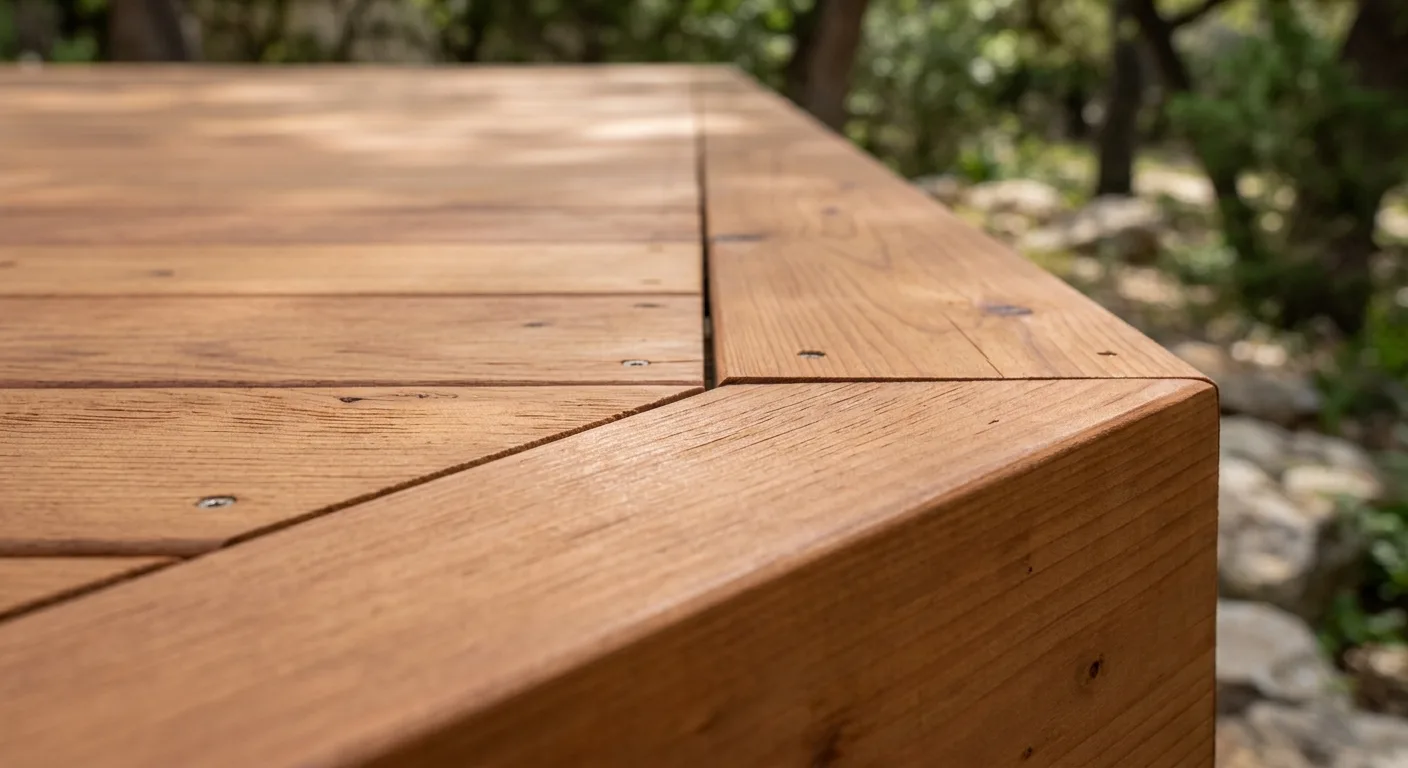
sunroom addition framing and roof tie-in, professional service in Austin, TX
A sunroom addition contractor earns the job at two places most people never see: the foundation and the roof tie-in. A sunroom is mostly glass and roof, so where the new roof meets the existing one has to be flashed and integrated right, or that seam becomes the leak you find during the first heavy Central Texas storm. Underneath, the room needs a foundation designed for the expansive clay soils across much of the Austin metro, soils that swell in the wet season and shrink in the dry. A slab poured without accounting for that movement cracks away from the house, and a glass room shows every bit of that movement in racked frames and doors that stop closing. We handle the full sequence: foundation, framing, roof and its tie-in to the existing structure, the glazing, exterior finish to match the house, and the electrical for lighting, fans, and outlets. Where a licensed electrician is needed for the circuit work, or an engineer's stamp for the foundation or structural connection, we bring those trades in rather than skipping the step. Ready when you are, call (318) 348-4317.

Process

How a Sunroom Addition Goes With Hundredfold Services

  1. 01

    Settle three vs. four season first

    We walk the space, look at your existing slab or patio, your roofline, and where power runs, and we settle the big question first: three-season or four-season. That single answer changes the glazing, the insulation, the roof, and the foundation, so we pin it down before we quote instead of after.

  2. 02

    Plans, permits, and review

    Sunroom additions in Austin need plans and a permit, and enclosing conditioned space or building new foundation can need engineered drawings. We prepare the plan set and handle the City of Austin plan review so you're not decoding code at a permit counter on your own.

  3. 03

    Build in the right order

    Foundation, then framing and roof, then dry-in and glazing, then electrical and finish. We sequence it so the room is weather-tight before interior work starts and inspections pass the first time. You'll know what's happening each week.

Three-Season vs. Four-Season

Which Sunroom Your Austin Home Should Actually Be
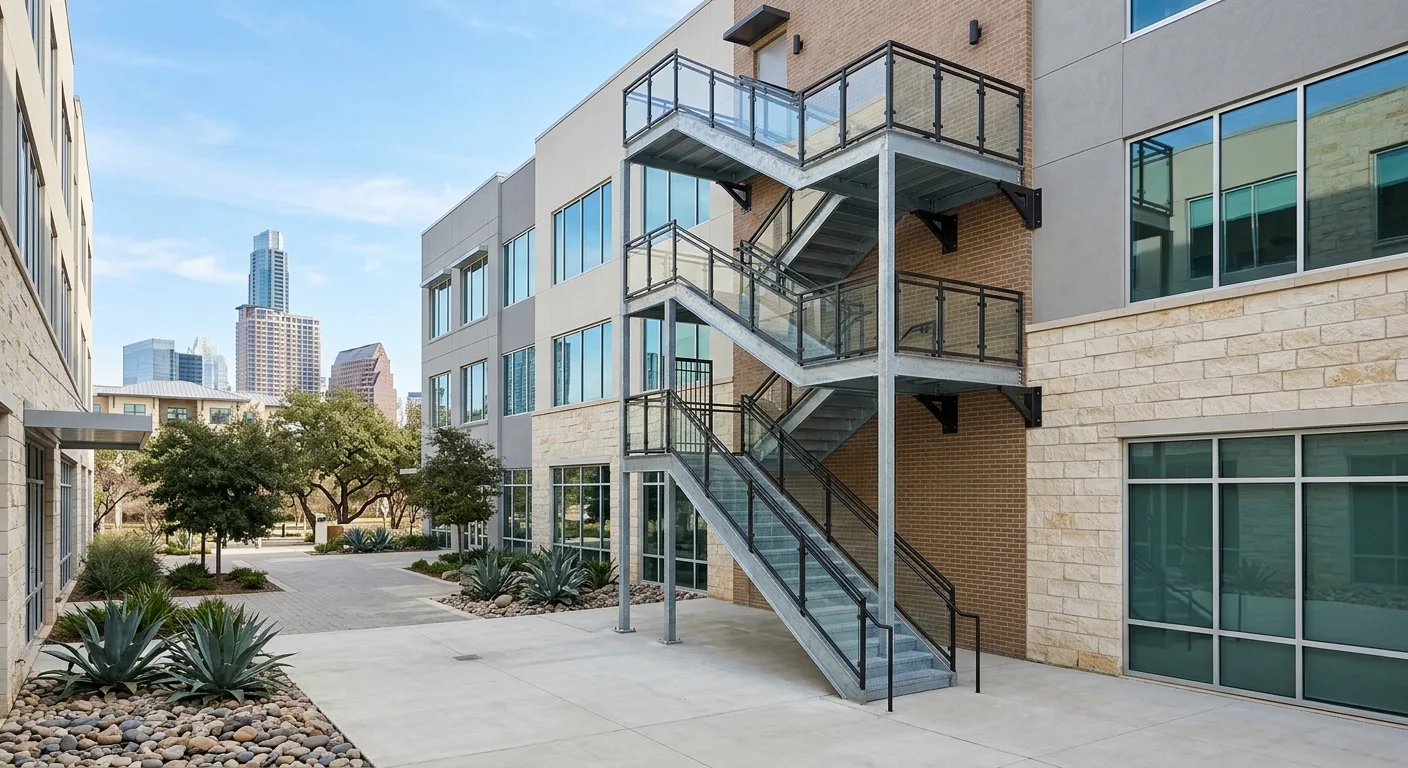
four-season sunroom addition on an Austin, TX home exterior
The three-season versus four-season question is the one that decides whether you love the room or resent it, and in Central Texas it matters more than almost anywhere. A three-season sunroom is the lighter, less expensive build. Screened or single-glazed, no full insulation package, usually no dedicated cooling. It's wonderful from October through May and honestly rough on a 100-degree Austin afternoon, which is exactly why homeowners who want it used all summer should look hard at the four-season version. A four-season sunroom is built and permitted much closer to a room addition: insulated glazing, an insulated roof, and a real plan for heating and cooling, whether that's extending your existing HVAC or setting a mini-split for the room. Here's the order it comes down to for most Austin homes: 1. How you'll use it. Morning-and-shoulder-season room, or a room you want on the hottest and coldest days too 2. The envelope. Glazing, roof, and insulation follow directly from that first answer 3. Conditioning. Tie into existing HVAC or give the room its own source, sized for all that glass 4. Orientation. A west-facing sunroom takes the brutal afternoon sun and needs more shading and better glass than a north-facing one
"We've steered plenty of Austin homeowners away from a three-season room once they admitted they wanted to sit out there in July. In this climate, if you want it year-round, build the four-season version the first time."
Get that decision right and the sunroom becomes one of the most-used rooms in the house. Get it wrong and it's the door everyone walks past. Tell us what's going on and we'll help you land on the right one.

When a Sunroom Addition Is the Wrong Call

One honest section on when NOT to build a sunroom, before you spend money finding out the hard way.

This is the honest part a sunroom salesman skips, because it can cost the sale. Don't build a sunroom if what you actually want is outdoor space and shade rather than an enclosed room. A covered deck or patio gives you the yard, the breeze, and a fraction of the cost and permitting of an enclosed, glazed, conditioned room. If bugs and glare are the only thing between you and using your patio, a screen enclosure or a shade structure may be the smarter, far cheaper fix. A sunroom is the right call when you genuinely want an indoor room that lives like the outdoors, light on three sides, protected from the weather, usable when the yard isn't. If that's you, and especially if it ties into a broader plan to remodel or add light-filled space to the house, it's one of the best rooms you can add. Not sure which describes you? Call (318) 348-4317 and we'll give you a straight answer.
sunroom addition framing and roof tie-in, professional service in Austin, TX

What Keeps Sunroom Additions From Going Wrong

  1. 01

    The seams are everything

    The roof-to-roof tie-in and the slab-to-slab transition are where sunrooms fail. We flash and integrate the new roof into the existing one and tie the new foundation to the old the way the job needs, not the shortcut that photographs fine and leaks the first big storm.

  2. 02

    Engineer for the soil you have

    Sunroom additions across the Austin metro sit on expansive clay. A foundation designed for that soil movement is the difference between a slab that holds and one that pulls away from the house, and a glass room is the least forgiving place to skip that engineering.

  3. 03

    Solve the heat before the glass goes in

    All that glass is a heat load. Getting the glazing, insulation, orientation, and conditioning right up front is what makes a sunroom a room you use in July instead of a greenhouse you avoid. We size that in before framing, not after.

Ready to Talk Through Your Sunroom Addition?

Call us and describe what you're picturing. We'll tell you honestly whether a three-season room, a four-season room, or a covered patio is the right move for your house.

Frequently asked questions

What's the difference between a three-season and a four-season sunroom?
A three-season sunroom is the lighter build: screened or single-glazed, usually without a full insulation package or dedicated cooling. It's comfortable in spring and fall but rough in the peak of an Austin summer or a hard cold snap. A four-season sunroom is fully insulated and conditioned, so it counts as living space and stays comfortable year-round, which means insulated glazing, a proper roof and insulation package, and a plan for heating and cooling. In Central Texas the honest test is simple: if you want to use the room in July and in January, build the four-season version the first time.
Do sunroom additions need a permit in Austin?
Yes. A sunroom addition in Austin adds enclosed square footage, so it requires plans and a building permit, and enclosing conditioned living space or pouring new foundation can require engineered drawings stamped by a licensed engineer. Hundredfold Services prepares the plan set and manages the City of Austin plan review and permit process for you, then schedules the required inspections at each phase. Building a sunroom without a permit creates real problems when you go to sell or refinance, so we don't skip it.
Can you enclose my existing patio or deck into a sunroom?
Often yes, and it's frequently the fastest path to a sunroom because the slab and sometimes the roof are already in place. The catch is that a patio slab or a deck was rarely built to carry an enclosed, conditioned room. Before we build on top of one, we confirm the existing foundation and structure can take the load and the added envelope, and we check the roof tie-in. When the existing slab won't support it, we tell you what it would take rather than building a glass room on a foundation that will move.
How hot does a sunroom get in the Austin summer?
An unshaded, uninsulated sunroom in Central Texas can run 20 to 30 degrees hotter than the rooms behind it on a peak summer afternoon, which is why the three-season versus four-season decision matters so much here. A four-season room with insulated glazing, an insulated roof, proper orientation, and its own conditioning stays comfortable. A three-season room is meant to be closed off during the hottest weeks. We size the glazing, insulation, and cooling to how you actually plan to use the room, and west-facing rooms that take the brutal afternoon sun get extra attention on glass and shading.
How long does a sunroom addition take to build?
Timelines vary with scope, but a straightforward three-season enclosure of an existing, sound patio typically runs several weeks of active construction once permits are in hand, while a four-season sunroom with new foundation, roof, and conditioning commonly stretches longer. The permitting and plan-review phase happens before that and adds time on the front end. We give you a realistic schedule after we've assessed your slab, your roofline, and the permit path, not a hopeful number on the first phone call.
What areas do you build sunroom additions in?
We build sunroom additions throughout the Austin metro, including Cedar Park, Round Rock, Pflugerville, Leander, Buda, and Georgetown. Because we're a service-area business rather than a storefront, the simplest way to find out if your project is a fit is to call (318) 348-4317 and tell us where the house is and what you're picturing.

Related