Family-owned · Austin Local
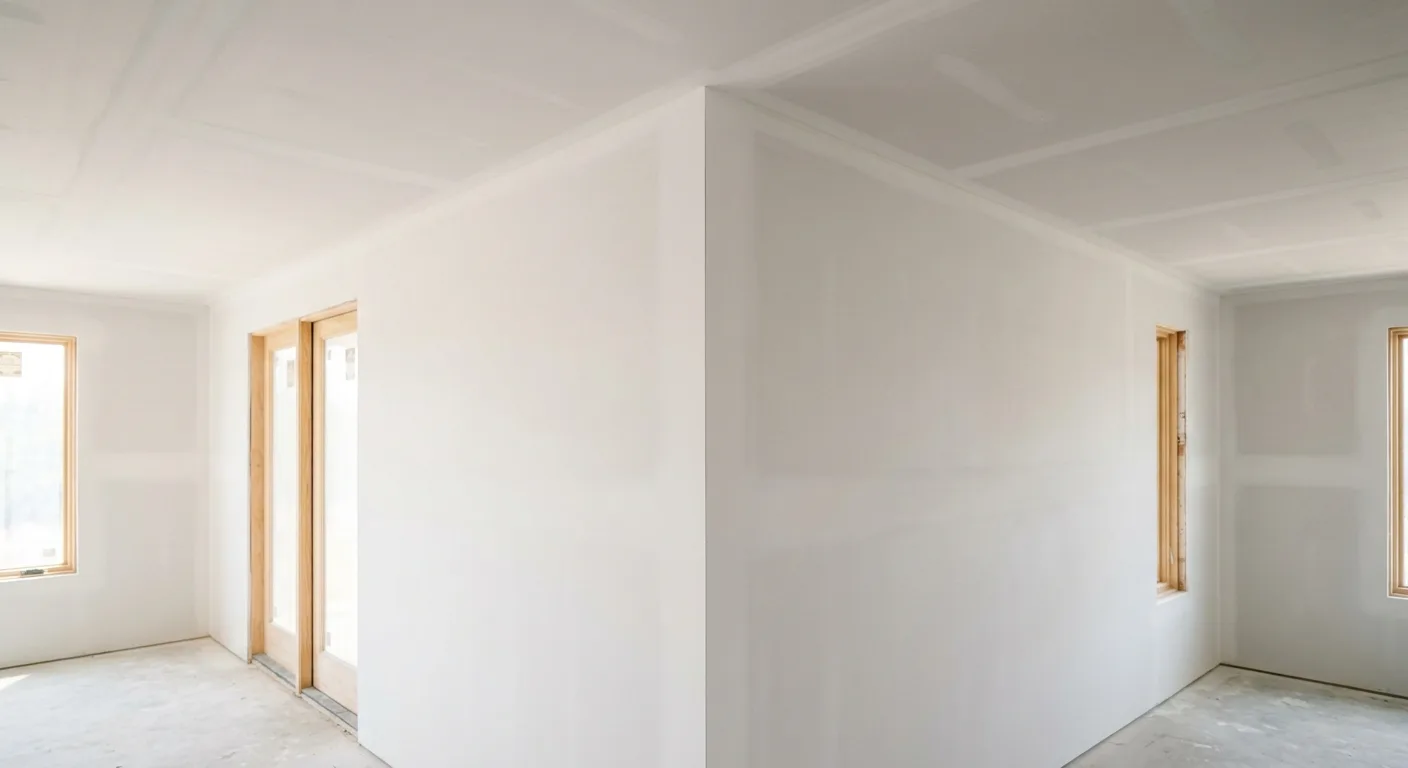
Drywall Installation That Starts and Finishes Clean
New sheets, smooth seams, and a finish coat ready for paint, handled by one person who owns every step.
Free estimate
Tell us what you need
Three fields. It reaches a person here, not a call centre.
Drywall Installation From Rough Frame to Finish-Ready
Drywall installation looks simple until the seams show or the tape bubbles. Getting it right means hanging sheets tight to the framing, taping every joint before it has a chance to crack, and feathering compound in passes thin enough that sanding doesn't carve valleys into the face paper. Hundredfold Services handles the full sequence, framing measurements, sheet layout, taping, mudding, and a final skim so the wall is actually ready for paint. Call (318) 348-4317 and describe what you're working with.
What drives the cost up or down on a drywall installation job is usually scope and access. A single spare bedroom takes far less time than a basement conversion or a garage being finished for living space. Ceiling work costs more than walls. The sheets are heavier, the angles are less forgiving, and the mud has to be applied upside-down. Texture matching on existing walls adds time, and thicker fire-rated board on garage walls is a material cost worth knowing about upfront. Every job is different, contact Hundredfold Services for an accurate estimate.
What Drywall Installation Actually Covers
New Room Builds
Finishing a basement, converting a garage, or adding a room addition, full sheet installation from bare framing to a surface that's ready for texture and paint.
Ceiling Installation
Ceiling boards run perpendicular to joists and get screwed tighter than walls to prevent sag. We account for that in the layout before a single sheet goes up.
Replacement Panels
Water damage, a bad patch job, or just old board that's past saving, sometimes pulling a section and re-hanging clean is faster and better than trying to work around it.
Taping and Mudding
Three passes of joint compound, each one thinner and wider than the last. Skipping a coat is how seams ghost through paint six months after a job is 'done.'
Texture and Skim Coat
Orange peel, knockdown, or a flat skim coat to match the room's existing walls, texture is the last step before paint and the one most shortcuts show up in.
Multi-Room Projects
If you've got more than one space that needs work, we can move through them on the same visit rather than scheduling five separate trips. That's the whole point of calling one person.
Our Process
How the Installation Process Works
- 01
Measure, Cut, Hang
Sheets get cut to the framing layout before anything goes up. Seams land on studs. Outlets and switch boxes get marked and cut clean before the board is fastened.
- 02
Tape, Mud, and Sand
Every joint gets paper or mesh tape embedded in the first coat. Two more coats follow, each one dry before the next. Sanding happens between coats and after the final pass.
- 03
Prime and Inspect
A skim-coat primer seals the compound and reveals any low spots worth fixing before paint goes on. You don't find the problems under paint, you find them before it.
Good to Know
When Drywall Installation Is the Right Call
- 01
New framing is in place
If studs are up and inspections are done, drywall installation is the next logical step, not a patch job, a full hang.
- 02
More than one panel is damaged
A single small hole is a patch repair. Multiple damaged panels in the same room are usually faster and cleaner to replace outright.
- 03
You're finishing a garage or basement
Unfinished spaces need fire-rated or moisture-resistant board in the right spots, not standard half-inch on every surface. Getting the board type right matters before the first screw goes in.
- 04
A previous job left visible seams
If the seams are showing through paint, someone skipped a coat or didn't let it dry. That's fixable, and it starts by understanding what was actually applied the first time.
One Person, Start to Finish
Cost Factors
What Affects Drywall Installation Cost
- 01
Size and Layout
More square footage means more sheets, more compound, and more time. Rooms with a lot of corners, angles, or bulkheads take longer per square foot than a straight rectangular space.
- 02
Board Type
Standard half-inch drywall costs less than fire-rated Type X or moisture-resistant board. Garages, bathrooms, and shared walls with living spaces often require the heavier or treated product.
- 03
Finish Level
A Level 3 finish (textured) costs less time than a Level 5 skim coat (dead flat for gloss paint). Know what finish you need before the job starts, changing it midway adds cost.
Drywall Installation: Common Questions
How much does drywall installation usually cost?
What finish level do I need before painting?
What type of drywall is used in garages versus living spaces?
How many coats of joint compound does drywall need?
Can drywall be installed on ceilings the same way as walls?
Does new drywall need to be primed before paint?
Ready to Get Your Walls Finished?
New hang or problem panels. Call and describe what you're working with.