Austin (318) 348-4317
Hudredfold Services
Drywall Repair That Disappears Into the Wall

Family-owned · Austin Local

Drywall Repair That Disappears Into the Wall

From small punch-outs to water-damaged sections, we patch, finish, and texture-match so the repair becomes invisible.

Free estimate

Tell us what you need

Three fields. It reaches a person here, not a call centre.

No obligation · Responds within 1 business day


By submitting this form you agree that we may contact you about your request and share your details with partner companies for marketing purposes.

Drywall Repair Done to Match Your Walls

A cracked wall or a fist-sized hole isn't cosmetic. It's the kind of thing you notice every single day until it's fixed. Drywall repair is one of the most requested jobs Hundredfold Services handles, and the reason homeowners keep calling back is simple: the patch disappears. Dominique Willis works the repair from the first coat through the final texture pass, matching your existing wall finish so cleanly that most people can't find the seam a week later. If you've been looking at that damaged section for months, call (318) 348-4317 and we'll schedule a look.

The cost of drywall repair depends on how large the damaged area is, whether there's water damage underneath that needs to dry and stabilize first, how many coats of compound the surface requires, and whether your walls carry a specific texture, smooth, orange peel, knockdown, or skip-trowel all take different technique. A nail-pop or hairline crack is a short visit. A water-damaged section that covers two or three feet of wall is a different scope entirely. We don't treat them the same, and neither should the price. Every job is different, contact Hundredfold Services for an accurate estimate.

Scope of Work

What Drywall Repair Actually Covers

Most damage falls into one of these categories, and we handle all of them.

01

Holes and Punch-Outs

Doorknob impacts, removed fixtures, or accidents, we cut clean, back the opening properly, and build the patch so it holds long-term instead of cracking at the seams within a year.

02

Water Damage Patches

Water-damaged drywall has to be fully dry before it can be patched. We confirm the moisture is gone, cut to clean material, and seal the surface before any compound goes on. Skipping that step is why water patches bubble and peel.

03

Cracks and Settling Lines

Hairline cracks from settling are common in Texas homes and they come back if you just fill them. We tape, bed, and feather them out so they don't reappear after the first temperature swing.

04

Texture Matching

This is where most DIY repairs fall apart. Orange peel, knockdown, and skip-trowel each require a different spray pressure and technique. We match your existing texture by hand or by spray so the repaired section doesn't stand out under raking light.

05

Nail Pops and Screw Dimples

Common in older builds. We re-seat the fastener, skim the surface, and sand it flush so it stops telegraphing through your paint. Pair this with a paint touch-up visit and the wall looks factory-finished again.

Our Process

How We Work Through a Repair

Every drywall repair follows the same disciplined sequence. Cutting corners at any stage shows up in the finished wall.

  1. 01

    Assess and Prepare

    We look at the cause of the damage first, not just the surface. If there's moisture, we confirm it's fully dry. Then we cut the damaged material back to clean, structural drywall, no skimming over soft or crumbling sections.

  2. 02

    Patch, Tape, and Compound

    The patch is backed and fastened so it can't flex. We tape seams with mesh or paper depending on the situation, then apply compound in multiple thin coats, sanding between each one. Rushing this step is what creates visible ridges.

  3. 03

    Texture and Final Sand

    We match your wall's existing finish, smooth, orange peel, knockdown, or skip-trowel, and feather the texture into the surrounding surface. The repair is sanded and primed before we leave. It's ready for paint.

When to Call Instead of Patching It Yourself
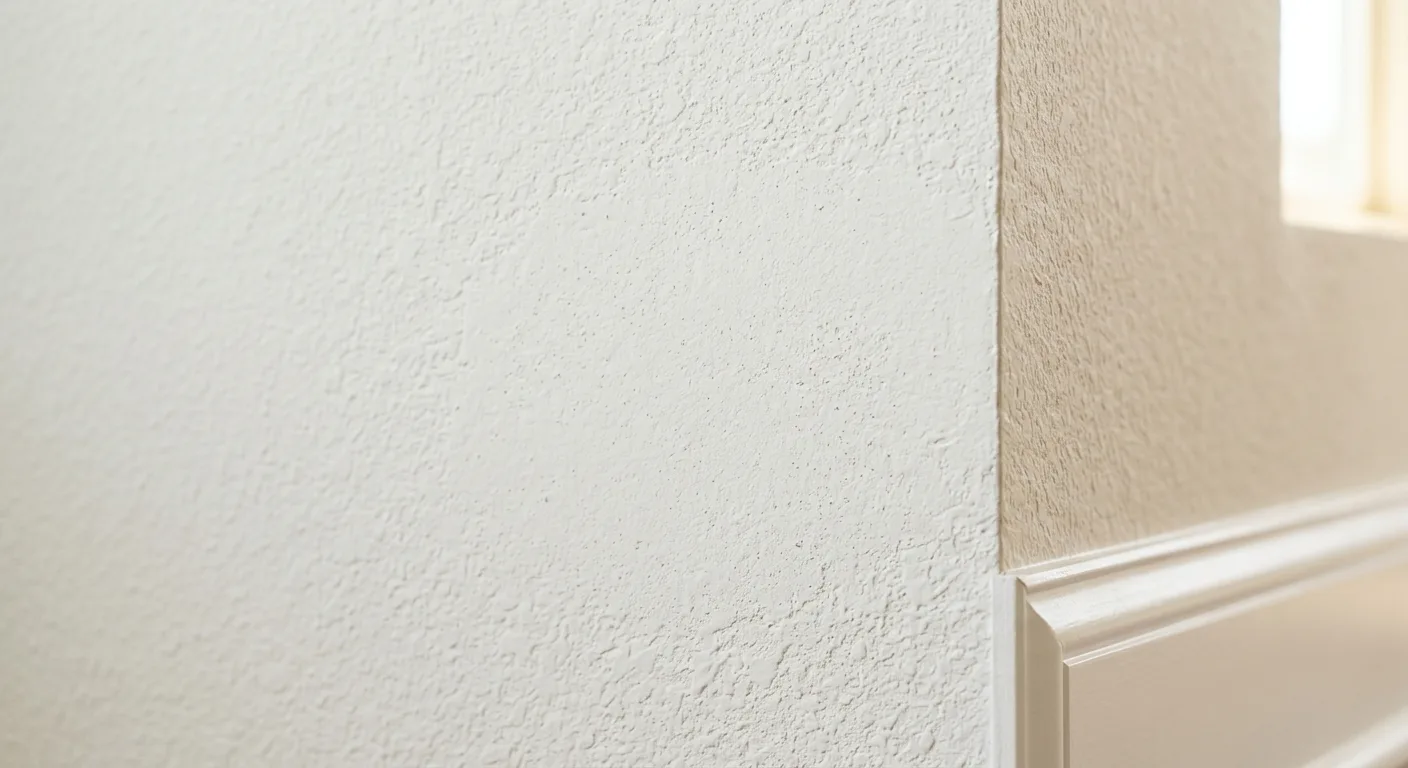
texture matching work, professional service in Austin, TX
Honestly, small nail holes and minor scuffs are fine to handle yourself with a spackle knife and some patience. What isn't fine: anything larger than about three inches, any damage that came from water, and anything near a seam or corner bead. Those repairs require compound applied in stages, proper backing, and texture work that takes practice to execute cleanly. A botched DIY patch on a prominent wall doesn't save money. It costs more to undo than to have done correctly from the start. We've re-done plenty of them. We don't judge. We just fix it. If you've got a list of small repairs alongside the drywall work, that's exactly how we prefer to work. We can handle the patch, touch up the interior painting around it, and address anything else on your list in one visit, so you're not scheduling three separate contractors for what amounts to an afternoon of work.

Why the Finish Pass Matters Most

  1. 01

    Feathering

    The compound edge has to taper so gradually that there's no visible ridge where the patch meets the wall. This requires wide knives and multiple coats, not one thick application.

  2. 02

    Texture Consistency

    We test the texture application off the wall first. Pressure, distance, and material consistency all vary between brands and batches. We calibrate before we spray or stipple.

  3. 03

    Prime Before You Paint

    Raw compound absorbs paint differently than the surrounding wall. A repair painted without primer flashes, it looks dull and flat in the repaired area. We always prime the patch. Your painter (or ours) then has a consistent surface to work on.

Common Questions

What Drives the Cost of Drywall Repair

How much should a drywall repair cost?
Cost is determined by the size of the damaged area, the number of layers of compound required, whether texture matching is involved, and whether there's any water damage that needs to stabilize before patching. A small hole repair is a fundamentally different scope than a two-foot water-damaged section with knockdown texture. We don't publish flat rates because a number that fits one job misrepresents the other. Every job is different, contact Hundredfold Services for an accurate estimate.
Can cracked drywall be repaired, or does the panel need to be replaced?
Most cracks can be repaired without replacing the panel. Hairline cracks from settling are typically taped, bedded, and feathered, no new drywall required. Larger cracks near corners or at seams sometimes indicate a structural movement; in those cases, we assess whether the movement has stopped before closing the repair. Replacing a panel is the right call when the surrounding material is too soft or water-damaged to hold compound reliably.
How long does a drywall patch take to dry before it can be painted?
Joint compound needs 24 hours between coats under normal indoor conditions, lower humidity speeds that up, higher humidity extends it. A standard repair with two to three coats of compound, sanded and primed, is ready for paint in two to three days. Water-damaged repairs take longer because the substrate has to be fully dry before we start, which we confirm before any compound goes on.
Will the texture match my existing walls?
Texture matching is the hardest part of drywall repair, and it's where most DIY repairs visibly fail. We identify your wall's texture type, smooth, orange peel, knockdown, or skip-trowel, and match it by spray or hand application before the final prime coat. Under raking light, most patches are undetectable. On walls with heavier or irregular hand-applied textures, we're straightforward about what's achievable.
Do you handle drywall repair that's part of a larger home repair list?
That's the most common way we work. Most homeowners have a running list alongside the drywall: a door that won't latch, a ceiling fan that wobbles, a minor plumbing fix under the sink. We handle all of it in one visit rather than making you coordinate multiple contractors. If your list includes flooring work or fixture changes alongside the patch, we can assess the full scope when we come out.
Can cracked drywall be repaired without replacing the whole panel?
In most cases, yes. Hairline cracks from settling are taped, bedded, and feathered without removing the panel. Larger cracks near corners or seams sometimes point to ongoing structural movement. We assess whether the movement has stopped before closing the repair. Panel replacement is the right call only when the surrounding material is too soft or too saturated to hold compound reliably.
How many coats of compound does a proper drywall patch require?
At minimum, two, a bedding coat and a finish coat, each sanded before the next is applied. Most patches require three coats to achieve a flat, feathered edge that doesn't ridge under light. Rushing to one thick coat is the primary reason DIY patches show up on the finished wall. Each coat needs to dry fully before sanding, which is why a quality repair takes two to three days.
Will the texture on the repaired area match the rest of my wall?
Texture matching is the most skill-dependent part of drywall repair. We identify your wall's finish type, smooth, orange peel, knockdown, or skip-trowel, and replicate it by spray or hand application before priming. On most residential walls, the patch is undetectable under normal light. On irregular or heavily hand-applied textures, we'll tell you upfront what's realistically achievable.
Does water-damaged drywall always need to be replaced?
Not always, but the substrate has to be completely dry before any compound is applied. We confirm there's no remaining moisture in the material before we start. If the drywall has gone soft, crumbled, or developed mold, that section gets replaced with new material, applying compound over compromised drywall produces a repair that fails within a season. Addressing the moisture source first is non-negotiable.
Can you handle the drywall repair and the painting in the same visit?
The repair and the painting can't happen same-day, compound needs time to dry and be primed before paint goes on. What we can do is schedule the repair and coordinate the paint touch-up as a follow-up visit so you're not managing separate contractors. Our paint touch-up service is designed exactly for this: blending the repaired area into the surrounding wall after the compound has cured.

Schedule Your Drywall Repair with Hundredfold Services

That wall isn't going to fix itself.

Related