Family-owned · Austin Local
Paint Touch-Ups That Actually Blend In
From a single scuff to a full wall of chips, we make the repair disappear.
Free estimate
Tell us what you need
Three fields. It reaches a person here, not a call centre.
Paint Touch-Up Work That Holds
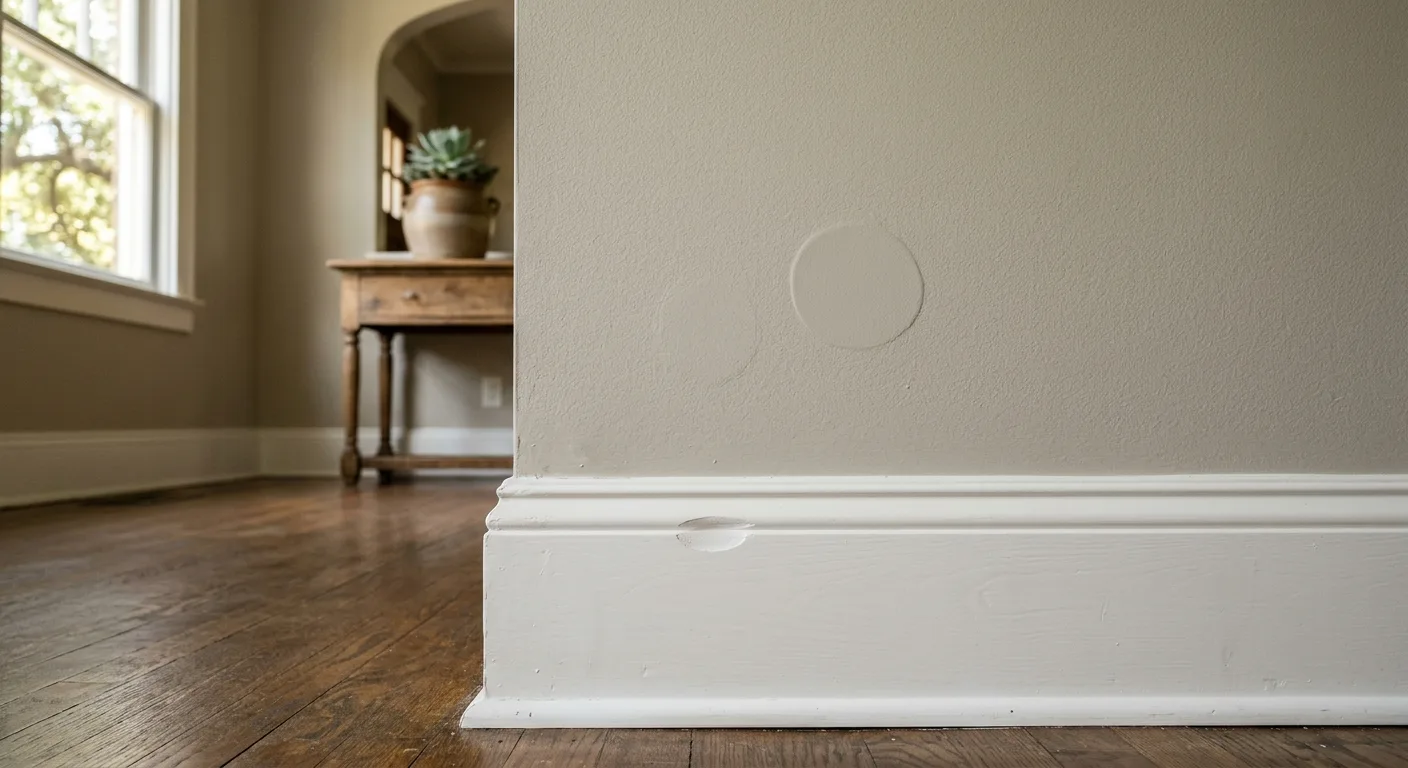
A paint touch-up sounds simple until you try it yourself and end up with a shiny oval on a flat wall, or a streak of slightly-wrong white across your baseboard. Matching existing paint is a skill, not a product. Hundredfold Services handles paint touch-ups for Dallas-area homeowners who want the fix to disappear, not announce itself. Call Dominique Willis directly at (318) 348-4317 and we'll take a look.
What drives the scope of a touch-up job is usually surface condition, sheen level, and how long the original paint has been on the wall. Flat paints hide better; satin and semi-gloss show every inconsistency if you're not careful about feathering the edges. Walls that haven't been touched in years may need a broader blend area than you'd expect. If there's underlying damage, like a crack in the drywall or a soft spot from moisture, we address that first before any paint goes on. Skipping that step is how a touch-up becomes a problem six months later. Every job is different, contact Hundredfold Services for an accurate estimate. We also pair touch-ups with home repair visits when you've got a list of small fixes to knock out at once.
What Pulls a Touch-Up Apart
Most paint touch-ups fail for the same reasons. Here's what we watch for.
Wrong Sheen Match
Flat, eggshell, satin, and semi-gloss all reflect light differently. Brushing flat-finish paint over a satin wall leaves a visible patch even if the color is perfect. We identify the existing sheen before we open a can.
Aged Paint Drift
Paint shifts color as it cures and ages. A color that was exact three years ago won't be exact today. We account for drift when blending, feathering the edges wide enough that no hard line shows.
Surface Prep Skipped
Paint doesn't bond to dust, grease, or glossy spots. We clean and lightly abrade the area before anything goes on. It's the step most people skip, and it's exactly why their touch-up peels inside a month.
Underlying Damage Ignored
A chip that keeps happening isn't a paint problem, it's a substrate problem. If the wall behind the paint is soft, cracked, or wet, the fix starts there. We don't paint over problems.
The Process
How We Approach Every Touch-Up
- 01
Assess the Surface
We look at the sheen, the age of the paint, the condition of the substrate, and the size of the damaged area. A tiny chip in a flat-painted hallway is a different job than a scuff on semi-gloss trim.
- 02
Prep Before Paint
Any soft spots or cracks get addressed first, including drywall repairs if needed. Then we clean and prime the area so the topcoat has something real to hold onto.
- 03
Blend and Feather
We don't just dab paint on a spot. We feather out from the center, match the texture and application method of the surrounding surface, and step back to check the result from across the room before we call it done.
When to Call Instead of DIY
- 01
The paint is more than two years old
Color drift is real. Off-the-shelf touch-up products won't account for how your specific wall has aged.
- 02
The sheen is satin or higher
Glossy finishes are unforgiving. A bad touch-up on semi-gloss trim is often more visible than the original chip.
- 03
The damage keeps coming back
Recurring chips or cracks point to a surface problem. Paint is the last step, not the fix.
- 04
You're prepping to sell or rent
A touch-up that doesn't blend drops the perceived value of the whole room. Buyers and inspectors notice.
Also Available
More Than Just Paint
Ready to Make That Wall Look Right Again?
Call Dominique Willis at Hundredfold Services.