Family-owned · Austin Local
Furniture Restoration That Honors What You Already Own
From heirloom dining tables to vintage finds, we bring worn pieces back to life.
Free estimate
Tell us what you need
Three fields. It reaches a person here, not a call centre.
How We Approach Furniture Restoration
Furniture restoration is worth it far more often than people expect. A piece that looks beyond saving, a dining table with a lifted veneer and a cloudy finish, a dresser with cracked joints and faded stain, frequently has 50 more years of life in it once the right hands get to work. At Hundredfold Services, Dominique Willis assesses each piece honestly before a single tool comes out. If a repair is the right call, that's what we recommend. We won't push a full refinish when a targeted fix will do. Call 318-348-4317 and tell us what you've got.
The scope of any restoration job depends on the wood species, the condition of the existing finish, whether there's structural damage at the joints, and how close to the original you want the result to look. A solid oak piece with surface scratches and minor water rings is a very different job than a veneer-topped antique with peeling edges and loose dowels. Both are things we handle, and both get the same methodical process: careful stripping, targeted furniture repair where the structure needs it, and hand-finishing with techniques that respect the grain rather than bury it. Every job is different, so contact Hundredfold Services for an accurate estimate.
Our Process
From Assessment to Final Finish
We move through each job the same way: look first, work second, finish last.
- 01
Assess and Plan
We examine the wood, the joinery, and the existing finish before we quote anything. That look underneath the surface is what separates a restoration that lasts from one that fails in two years.
- 02
Strip, Repair, and Rebuild
Old finish comes off cleanly. Loose joints get reglued and clamped. Cracks, chips, and damaged veneer get addressed at the wood level. We don't skim over structural issues and cover them with stain.
- 03
Hand-Finish and Protect
The final finish is applied by hand in layers, sanded between coats, matched as closely as possible to the original tone. The goal is a surface that looks like it belongs on this piece, not like it was sprayed on in a booth.
What We Can Restore
Dining Tables
Water rings, heat marks, scratches from years of use, and dull finishes are some of the most common jobs we take on. A dining table that's seen real family life usually has good bones worth keeping.
Dressers and Chests
Peeling veneer, stuck drawers, broken hardware, and faded finishes are all fixable. We handle the furniture assembly side too when pieces need to be taken apart and rebuilt correctly.
Chairs and Accent Pieces
Loose joints on chairs are a safety issue, not just cosmetic. We reglue and reinforce the joinery so the piece is solid again, then refinish to match or refresh the look entirely.
Antiques and Heirlooms
Older pieces get extra care around the finish choice and technique. Some antiques are better served with an oil or wax finish than a modern polyurethane. We talk through what fits the piece before we apply anything.
Cabinets and Built-Ins
Worn cabinet doors, scuffed drawer fronts, and faded wood interiors can be refinished in place or removed and brought back right. We connect this work to trim repair and interior finishing when the job calls for it.
Good Work vs. Fast Work
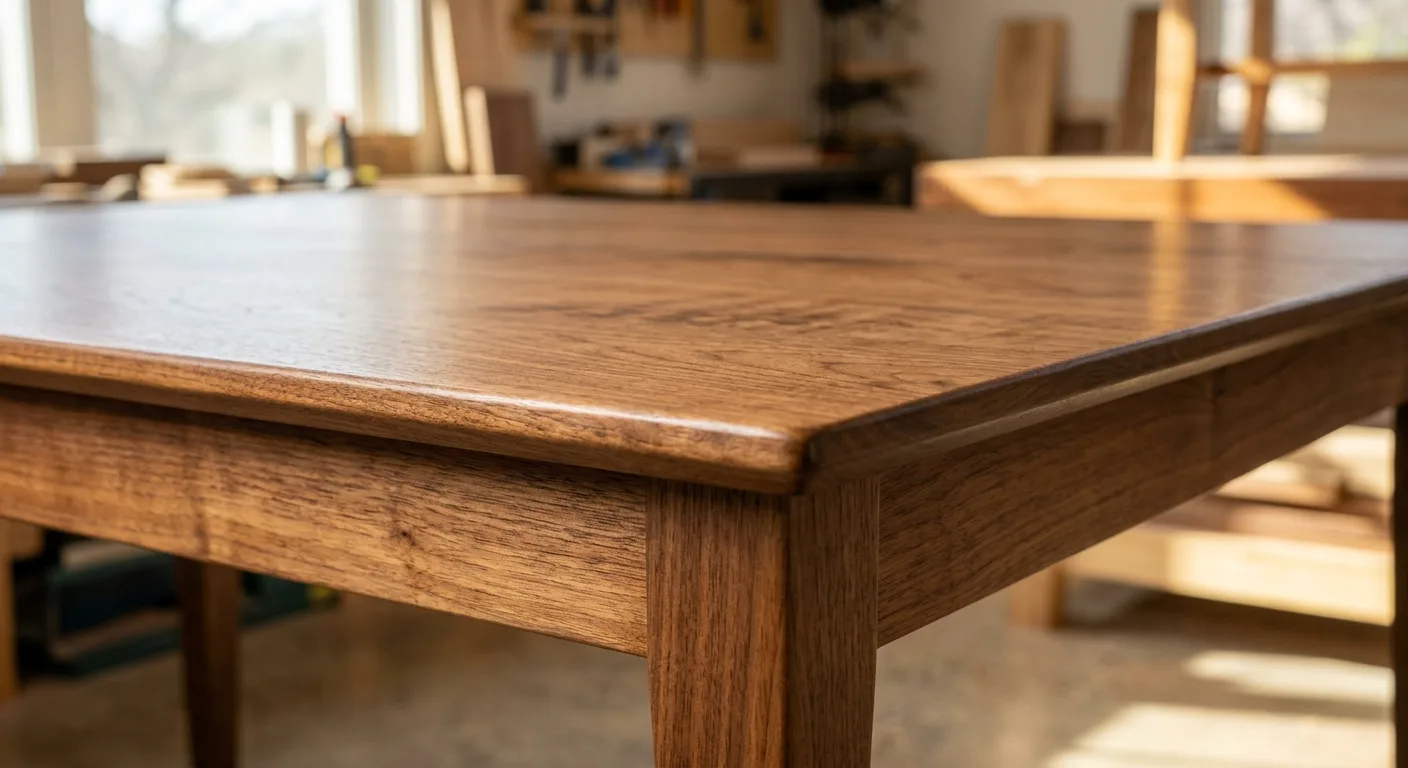
What Separates a Real Restoration From a Repaint
Is Your Piece Worth Restoring?
- 01
Check the Core Structure
If the joints are tight or can be reglued, and the wood itself isn't rotted or warped beyond flattening, the piece is a candidate. Surface damage is almost always fixable.
- 02
Consider What It Would Cost to Replace
New furniture at the same quality level as a well-made antique or solid-wood heirloom costs significantly more than a restoration. The comparison usually favors keeping the original.
- 03
Call Before You Decide
Bring us photos or let us take a look. We'll tell you honestly whether restoration makes sense for your piece. If it doesn't, we'll say so. Call 318-348-4317 to get a straight answer.
What You Get From Hundredfold Services
Every piece we take on gets a full assessment before we commit to an approach.
- Direct owner involvement on every job
- Dominique Willis is the business, not a dispatcher.
- Honest assessment before any work begins
- We tell you what's wrong and what we recommend, not just what costs the most.
- Hand-finished surfaces, not spray-and-go
- Finish applied in layers with sanding between coats.
- Structural repairs included when needed
- Loose joints and damaged areas addressed before refinishing.
Furniture Restoration Questions
Is furniture restoration actually worth it for a piece with significant damage?
How much does furniture restoration typically cost?
What's the difference between furniture repair and furniture restoration?
Can veneer be restored, or does it have to be replaced?
How do I know whether to strip and refinish or just apply a new coat over the existing finish?
Do you work on antique furniture, or only modern pieces?
Ready to Restore That Piece?
Call Dominique Willis directly and describe what you have.