Family-owned · Austin Local
Trim Repair That Matches What Was Already There
Cracked baseboards, rotted door casings, and chewed molding profiles restored to blend seamlessly with your existing trim.
Free estimate
Tell us what you need
Three fields. It reaches a person here, not a call centre.
Trim Repair Done to Match Your Home
Damaged trim is one of those problems that's easy to live with until you can't anymore. A chewed baseboard corner, a door casing that's soft from moisture, window trim that's cracked and pulling away from the wall. The repair itself isn't complicated, but matching the existing molding profile, feathering the finish, and leaving no visible seam? That's where most patch jobs fall apart. At Hundredfold Services, we handle trim repair the right way: we identify the profile, source or mill a matching piece, cut clean joints, and finish to blend. Call Dominique at (318) 348-4317 and we'll take a look.
What drives cost on a trim repair job is mainly scope and material. A single cracked baseboard section is a quick fix. A door frame with rot that's worked its way behind the casing, or window trim that needs full replacement and repaint, takes more time and more material. Rot-resistant options like primed finger-joint pine or cellular PVC cost more upfront and last longer, especially in bathrooms and around exterior-facing windows. Interior trim in dry areas can often be patched with wood filler and caulk for a clean result. If you've got flooring repair happening at the same time, it often makes sense to address baseboards during the same visit. Every job is different, so contact Hundredfold Services for an accurate estimate.
What We Actually Fix on a Trim Call
Most of these don't require a full replacement, just the right approach.
Cracked or Split Baseboards
Wood expands and contracts with humidity shifts, and baseboards crack along the grain or at miter joints. We fill, clamp, and refinish the damaged section or replace just the affected run.
Rotted Door and Window Casing
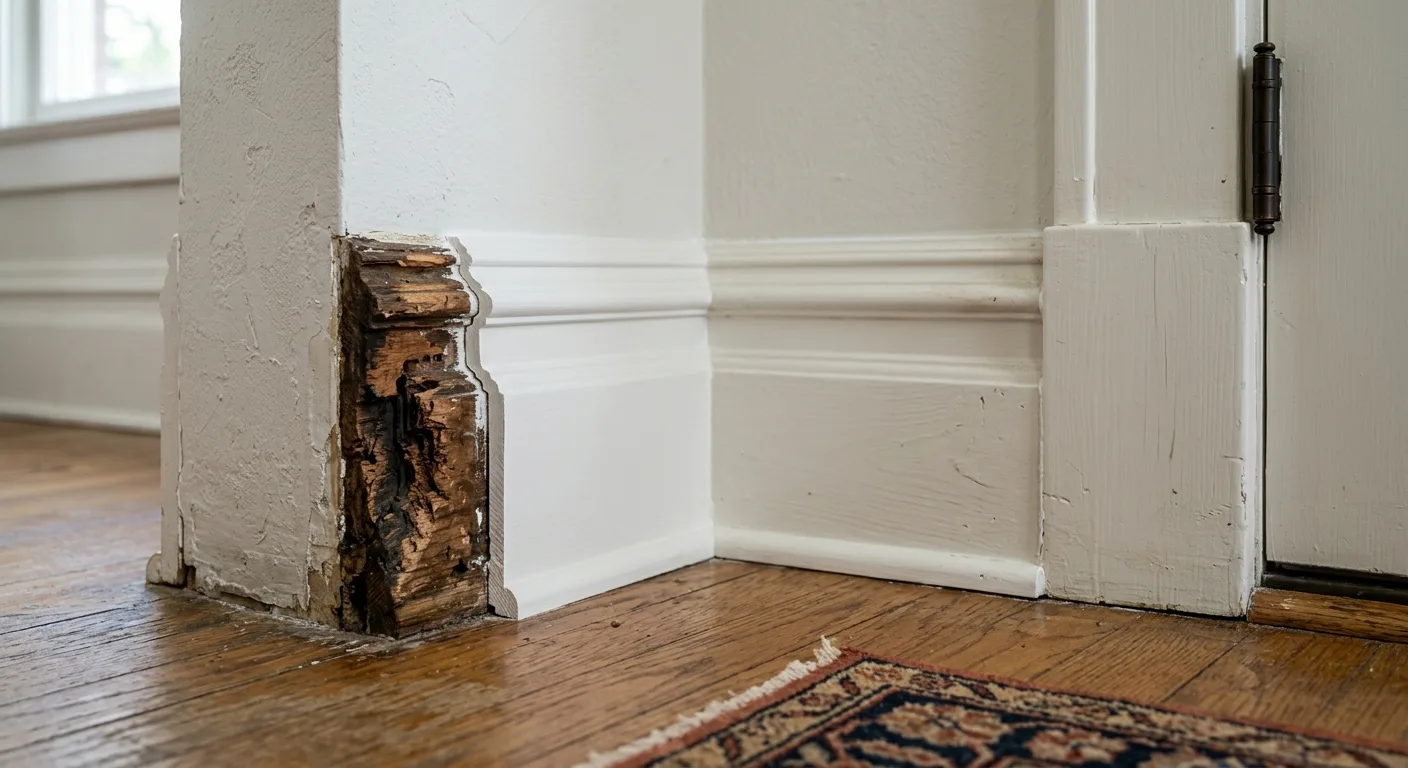
Moisture gets behind casing and softens the wood from the inside. We remove the affected casing, dry the substrate, treat if needed, and reinstall with a matching profile. When rot-resistance matters, we'll say so.
Pet-Chewed Trim Corners
Dogs go for corners, and the damage is almost always localized. A corner cap or short section replacement blends in well and holds up. We don't replace the whole run when only a foot of it is damaged.
Pulled or Gapped Caulk Lines
Trim that's separated from the wall at the top edge looks worse than it is. We re-nail, re-caulk, and spot-paint so it sits flush and clean against the wall again.
Crown Molding Repairs
A failed outside corner or a section that's dropped from the ceiling needs to come down, be re-cut, and go back up at the right spring angle. We cut the miters correctly so the joint closes tight.
Chair Rail and Wainscoting Damage
Impact damage to chair rail or loose wainscoting panels are common in dining rooms and hallways. We reattach, patch, fill, and finish so the repair disappears into the surrounding surface.
Our Process
How a Trim Repair Visit Goes
- 01
Profile Match First
Before we touch anything, we identify the molding profile on your existing trim. Thousands of profiles exist, and a mismatched replacement is immediately obvious. We pull the right match or mill a close one.
- 02
Surgical Removal and Repair
We remove only what needs to come out, protecting the surrounding wall and paint. Rot-damaged material gets treated at the substrate before new material goes in. Clean cuts, tight joints.
- 03
Finish to Blend
We caulk seams, prime bare wood, and spot-paint to match the surrounding finish. We're not a full paint crew, but we'll leave the repair looking finished, not patched.
Quick Reference
When to Repair Versus Replace
Honest answer: most trim damage is repairable. Here's how to think about it.
- 01
Surface cracks and small holes: fill and paint
Wood filler, a light sand, and a coat of paint handle the majority of dings, nail pops, and stress cracks. Fast and clean.
- 02
Pet damage or impact limited to one section: replace that section
We cut back to the nearest joint, splice in a matching piece, and finish. No reason to pull the whole run.
- 03
Soft, spongy, or discolored wood: look for rot
Soft trim usually means moisture got in. The rot may extend beyond the visible damage, so we probe before we price the job.
- 04
Mold present behind the casing: address the source first
New trim over active moisture is a temporary fix. We'll tell you if we see signs of a moisture issue that needs attention before the repair makes sense.
Trim Work Is Part of a Bigger Picture
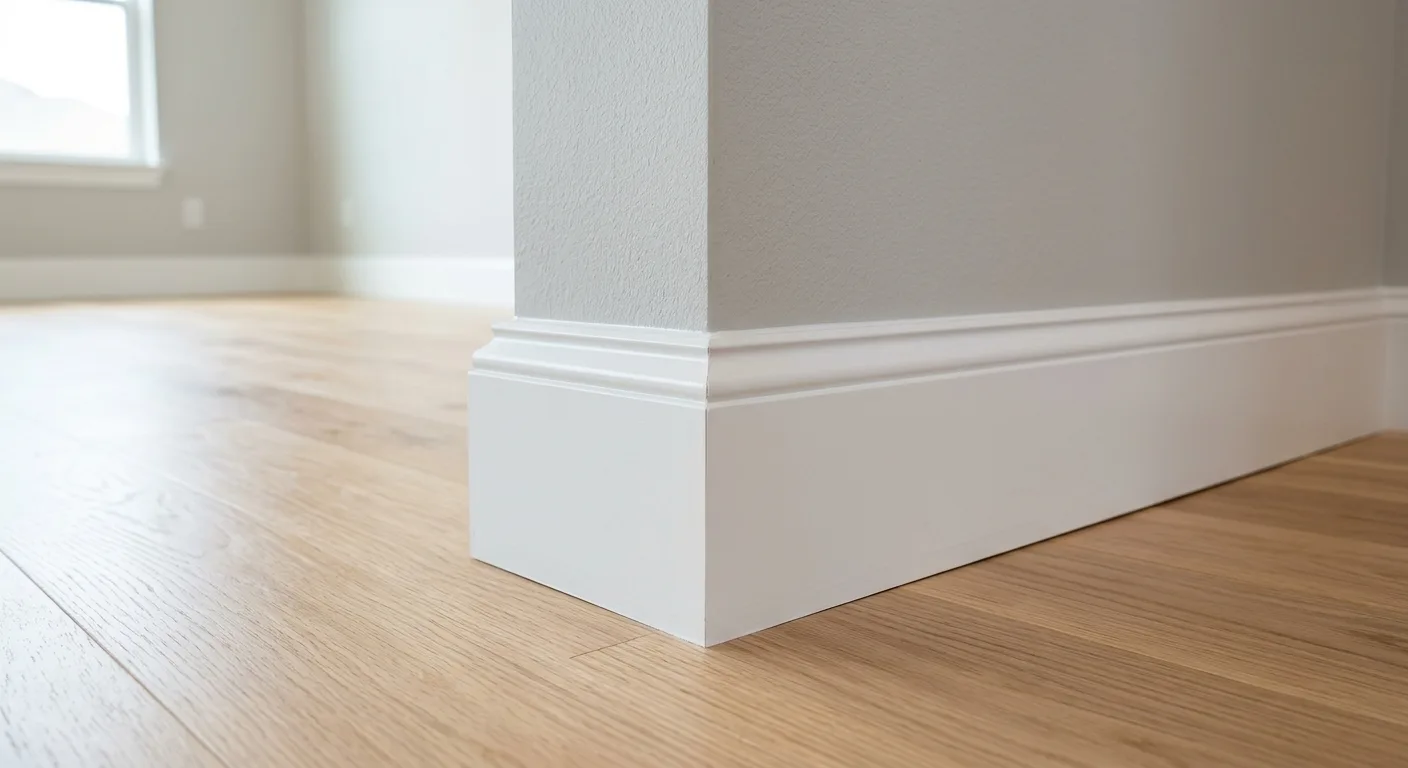
What Good Trim Repair Looks Like
A repair that holds up and blends in. That's the standard we hold ourselves to on every trim job.
- Profile matched to existing molding
- We identify your current profile before sourcing or cutting replacement material.
- Joints that close flush
- Tight miter and butt joints with no visible gap after caulk and paint.
- Substrate checked for rot before reinstall
- We don't cover up moisture damage. We find it and tell you what we found.
- Finish work included
- Caulk, prime, and spot-paint are part of the repair, not an add-on.
Trim Repair Questions We Hear Often
How do you match a molding profile that's been discontinued?
Can you repair trim that a dog chewed, or does the whole section have to come out?
What's the difference between repairing rotted trim and just painting over it?
Does the paint match after a spot repair?
How do you handle trim repair around exterior windows where moisture is a recurring issue?
Can you repair crown molding that's dropped from the ceiling, or does the whole run need to come down?
What is the difference between repairing rotted trim and painting over it?
Does the paint match after a spot trim repair?
How do you handle trim repair around windows where moisture keeps coming back?
Can you repair crown molding that has dropped from the ceiling?
Ready to Get That Trim Looking Right Again?
Call Dominique at Hundredfold Services and we'll schedule a time to look at the damage, match the profile, and give you a straight answer on what it takes.