Austin (318) 348-4317
Hudredfold Services
Frame Hanging That Actually Stays Level

Family-owned · Austin Local

Frame Hanging That Actually Stays Level

One frame or a full gallery wall, Hundredfold Services gets every piece placed right.

Free estimate

Tell us what you need

Three fields. It reaches a person here, not a call centre.

No obligation · Responds within 1 business day


By submitting this form you agree that we may contact you about your request and share your details with partner companies for marketing purposes.

Frame Hanging Done Without the Frustration

Frame hanging sounds simple until you're three holes in and nothing lines up. The most common question we hear is how much it costs to hang a picture frame, and the honest answer is: it depends on how many you have, what type of wall you're working with, and whether you want them arranged as a gallery or spaced individually. What doesn't vary is the result you should expect. Every frame should sit level, anchor into the right wall material, and stay put. Call Hundredfold Services at (318) 348-4317 and Dominique Willis will take care of it without leaving your walls looking like a practice run.

The work itself covers more than just hammering a nail. Drywall, plaster, brick, and tile each need a different fastener and a different approach. Heavy frames need stud-backed anchors, not just a drywall screw crossed and hoped for. Gallery walls need a layout plan before anything goes up, because rearranging ten frames after the fact means ten new holes. Cost drivers include the number of pieces, the wall surface, whether you need anchors or toggle bolts, and how complex the arrangement is. Every job is different, contact Hundredfold Services for an accurate estimate. If you're also thinking about updating the space, our cabinet hardware upgrades and trim repair services pair naturally with a fresh wall arrangement.

What Frame Hanging Actually Requires

01

Wall Material Assessment

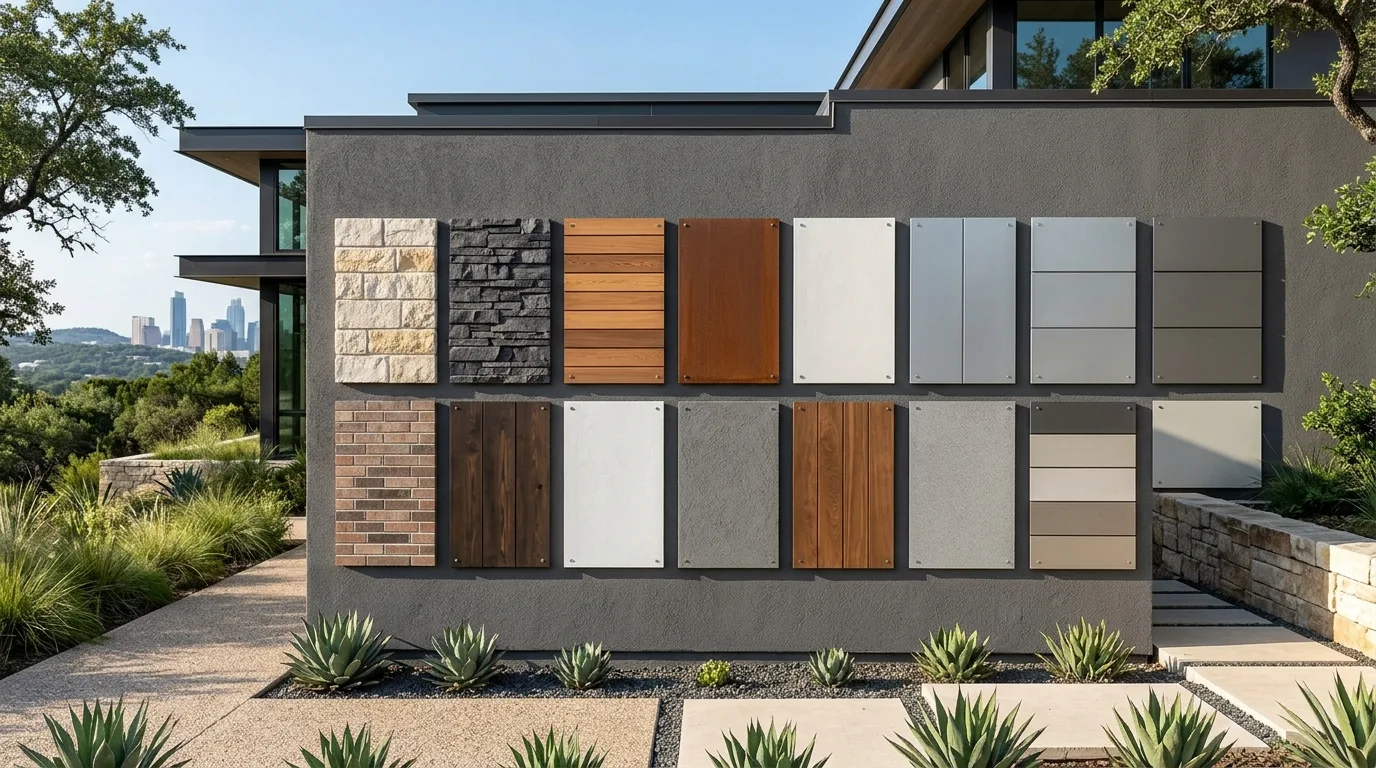
Drywall, plaster, concrete, and tile all hold weight differently. Before anything goes up, the wall gets checked so the right anchor goes in the first time.

02

Stud Finding and Weight Load

Heavy frames, mirrors, and large canvases need stud support. Relying on a drywall anchor for a 30-pound frame is how you end up with a hole and a broken piece on the floor.

03

Level Placement, Every Time

A frame that looks level to the eye often isn't. A real level and measured spacing make the difference between a wall that looks intentional and one that looks rushed.

04

Gallery Wall Layout

Multiple frames need a plan before a single hole gets made. Layout gets mapped on the floor first, spacing gets confirmed, then everything goes up in the right sequence.

05

Clean Finish

Any pilot holes or test marks get addressed before the job is done. You shouldn't be left cleaning up after the work.

How It Works

Three Steps From Call to Finished Wall

  1. 01

    Call and Describe the Job

    Tell Dominique how many frames, what size, and what kind of wall. That's enough to plan the visit and bring the right hardware.

  2. 02

    Layout and Anchor

    Placement gets confirmed before anything goes into the wall. Anchors, toggles, or stud screws go in based on the actual wall and the actual weight.

  3. 03

    Hung, Level, and Done

    Every frame ends up level and secure. Pilot marks get cleaned up, and the wall looks the way you had it in mind.

When to Call Instead of DIY
wall material assessment work, professional service in Austin, TX
A single small frame on a standard drywall wall is a reasonable DIY job. But there are situations where calling is the smarter move. Gallery walls with eight or more pieces are genuinely hard to execute without a layout plan and two sets of hands. Plaster walls crack if you drive the wrong fastener wrong. Heavy mirrors and large canvases can pull a standard anchor clean out of drywall if they're not into a stud. If you've already got a few mystery holes from a previous attempt, Dominique can repair the drywall and start fresh, so the finished wall doesn't show the history. We won't tell you to hire us for a job you can handle yourself, but we'll be straight about when it's worth the call.

What's Included

Every Frame Hanging Visit Covers

  1. 01

    Wall surface check before any fasteners go in

  2. 02

    Stud location and weight capacity assessment

  3. 03

    Correct anchor or screw type selected per frame and wall

  4. 04

    Level confirmation on every single piece

  5. 05

    Gallery layout planning for multi-frame arrangements

  6. 06

    Cleanup of any pilot holes or wall marks

Frames, Mirrors, and More

Frame hanging is often one item on a longer list. Dominique handles furniture restoration, painting, and door repair, so if you've got other things that need attention during the same visit, that's not a problem. One call, one trip, more crossed off the list. If the room you're working on could use a full refresh, ask about flooring repair or trim repair while you've got us there.
wall material assessment work, professional service in Austin, TX

Ready to Get Your Frames Up?

Call Dominique at Hundredfold Services and get it scheduled.

Frequently asked questions

How much does it cost to hang a picture frame?
Cost depends on the number of frames, the wall material, and whether you need special anchors. A single frame on standard drywall is a quick job. A gallery wall with a dozen pieces on plaster takes longer and requires more hardware. Every job is different, contact Hundredfold Services for an accurate estimate.
What kind of anchor should I use for a heavy frame?
For frames over about 20 pounds, a stud screw is the most reliable option, it won't pull out. If studs aren't where you need them, toggle bolts rated for the weight are the next best choice. Standard plastic drywall anchors are not appropriate for heavy pieces, they fail under lateral load. We bring the right hardware to every job based on actual weight, not guesswork.
What's the rule for hanging picture frames at the right height?
The standard is 57 to 60 inches from the floor to the center of the frame, which aligns with average eye level. In hallways or above furniture, that measurement shifts. The more important rule is consistency: when multiple frames are at different heights without a deliberate pattern, the wall reads as cluttered rather than arranged. We confirm placement before anything gets fastened.
How do you hang frames on plaster walls without cracking them?
Plaster cracks when you drive a fastener too fast or use the wrong bit. The right approach is a pilot hole drilled at low speed, the correct anchor type for plaster, and steady controlled pressure when driving. Old plaster, especially in homes built before 1970, can be brittle in spots. We assess the wall condition before starting and adjust accordingly.
How do you lay out a gallery wall so it looks intentional?
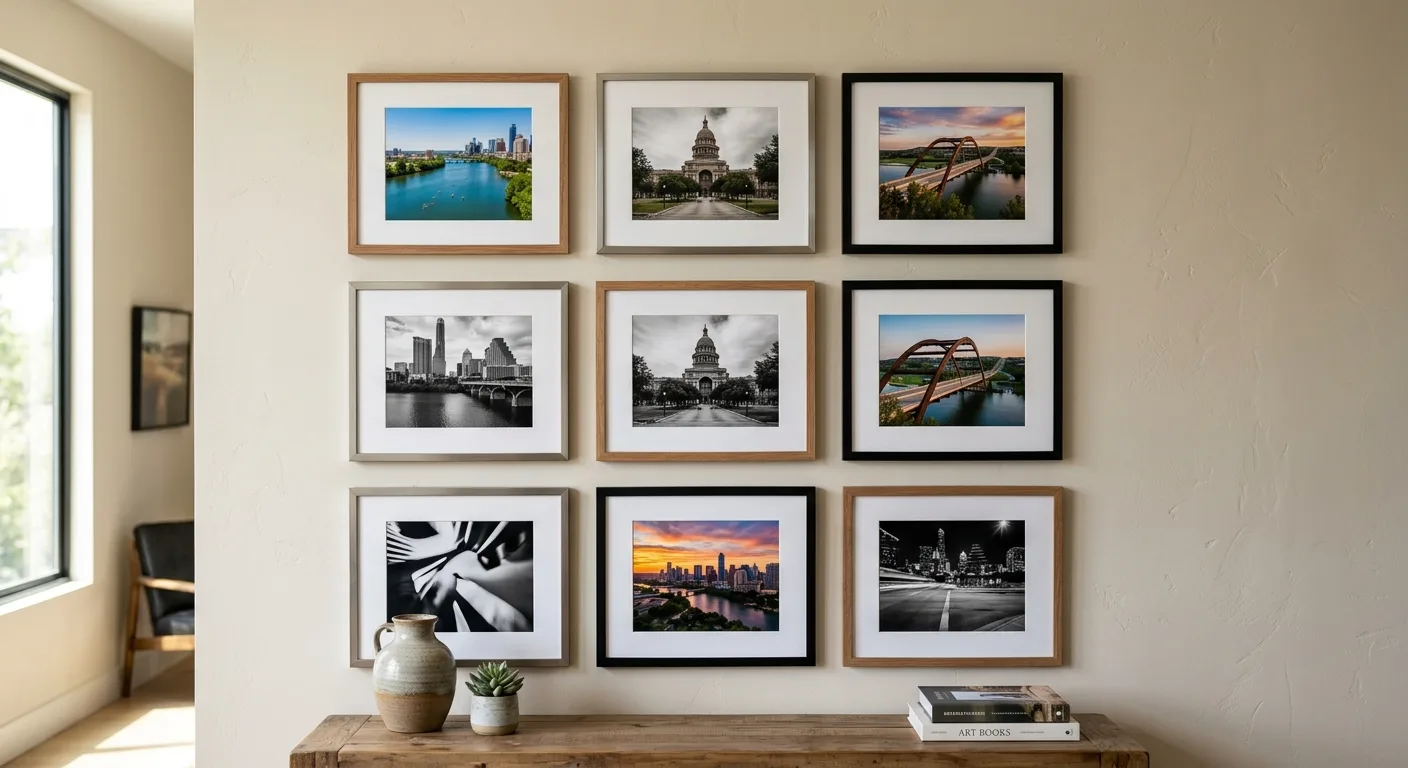
The frame arrangement gets mapped on the floor first with all pieces laid out before a single hole goes in. Spacing gets confirmed, anchor points get marked on the wall with painter's tape or paper templates, and the sequence for hanging gets planned so nothing needs to be shifted after the fact. Improvising a gallery wall mid-hang is how you end up with ten extra holes.
Can you hang frames on tile or brick walls?
Yes, but the process is different from drywall. Tile and brick need a masonry bit and the right anchor, and you have to avoid grout lines when possible to prevent cracking. It takes longer and requires specific fasteners that aren't in a standard tool bag. If you have frames that need to go up on a hard surface, let us know upfront so we come prepared.

Related