Family-owned · Austin Local
Tile Work Installation That Stays Level and Stays Put
From bathroom floors to kitchen backsplashes, Hundredfold Services handles the full tile job so you don't have to.
Free estimate
Tell us what you need
Three fields. It reaches a person here, not a call centre.
Tile Installation Done Flat, Plumb, and Tight
A lot of homeowners ask whether a handyman can do tile work. The honest answer: it depends on the handyman. Tile installation requires a flat, properly prepared substrate, consistent mortar coverage, and grout joints that don't crack six months later. Dominique Willis at Hundredfold Services has handled tile work across bathrooms, kitchens, laundry rooms, and entryways, so when you call (318) 348-4317, you're getting someone who knows what bad prep costs you down the road.
What drives the cost of a tile job is mostly scope and surface condition. A small bathroom floor with a straightforward layout costs significantly less than a full shower surround with niches, bullnose edges, and a mosaic accent row. Material choice matters too: large-format porcelain slabs require more careful layout planning than 4x4 ceramic. Surface prep, which most people underestimate, can add time if the subfloor needs leveling or the existing adhesive needs to come off clean. If you're thinking about a remodeling project that includes tile, that's a conversation worth having before the demo starts. Every job is different, so contact Hundredfold Services for an accurate estimate.
Where Hundredfold Services Installs Tile
Bathroom Floors
Bathroom floors take moisture, foot traffic, and cleaning chemicals daily. Getting the slope right around floor drains and laying tile that won't pop up in two years means doing the prep work most people skip.
Shower Walls and Surrounds
Shower walls need a waterproof membrane behind them before a single tile goes up. We don't skip that step. Properly sealed, correctly spaced tile means no grout crumbling and no water working behind the wall.
Kitchen Backsplashes
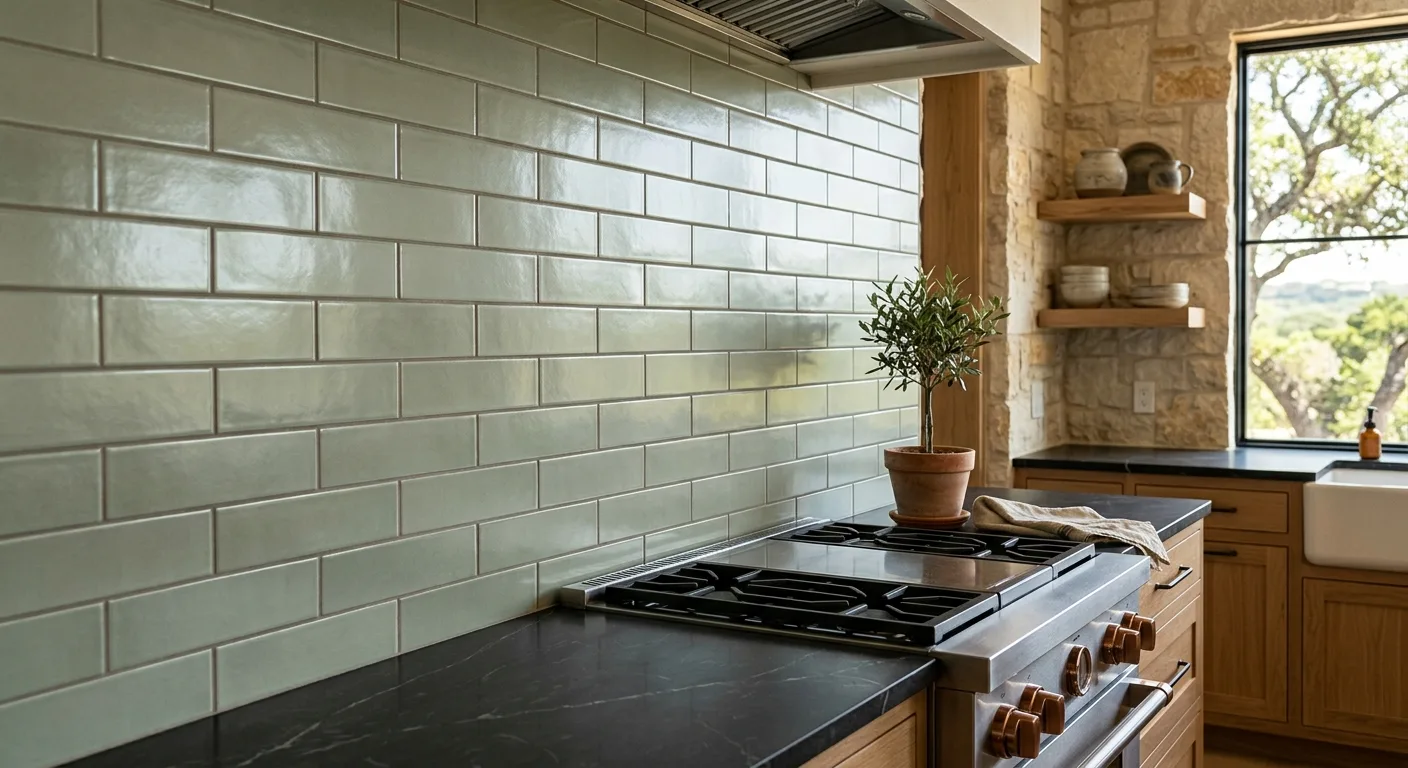
A backsplash is one of the fastest ways to change a kitchen's feel. Whether it's a simple subway tile run or something with a pattern, the layout planning at the start is what separates a sharp result from one that looks rushed.
Entryways and Mudrooms
High-traffic entry tile needs to be level and fully supported so it doesn't hollow out and crack under foot traffic. We make sure every tile has full mortar coverage, not just corner-point contact.
Laundry Rooms and Utility Spaces
Laundry and utility rooms often get left with worn vinyl or bare concrete. Tile holds up better in spaces that see spills, humidity, and equipment vibration.
How It Works
From First Look to Final Grout
- 01
Surface Assessment
Before anything goes down, the substrate gets checked. Flex, cracks, high spots, and moisture issues get addressed first. A tile job is only as good as what's underneath it.
- 02
Layout and Setting
We dry-lay the field first to plan cuts and avoid awkward slivers at doorways or edges. Mortar coverage, spacer consistency, and keeping courses straight are where the visible quality lives.
- 03
Grouting and Sealing
Grout color and joint width get confirmed before mixing. After grouting and a cure period, porous tile and natural stone get sealed. We clean up the site before we leave.
What Separates a Good Tile Job from One That Fails
- 01
Full Mortar Coverage
Corner-point bonding, where mortar only sits under the corners of a tile, is how tiles hollow out and crack within a year. Every tile needs solid, even coverage across the full back.
- 02
Proper Substrate Prep
Tile can't flex. If the floor underneath it moves, the tile or the grout joints will crack. Leveling compounds, cement board, and waterproof membranes aren't optional. They're what makes the job last.
- 03
Consistent Joint Spacing
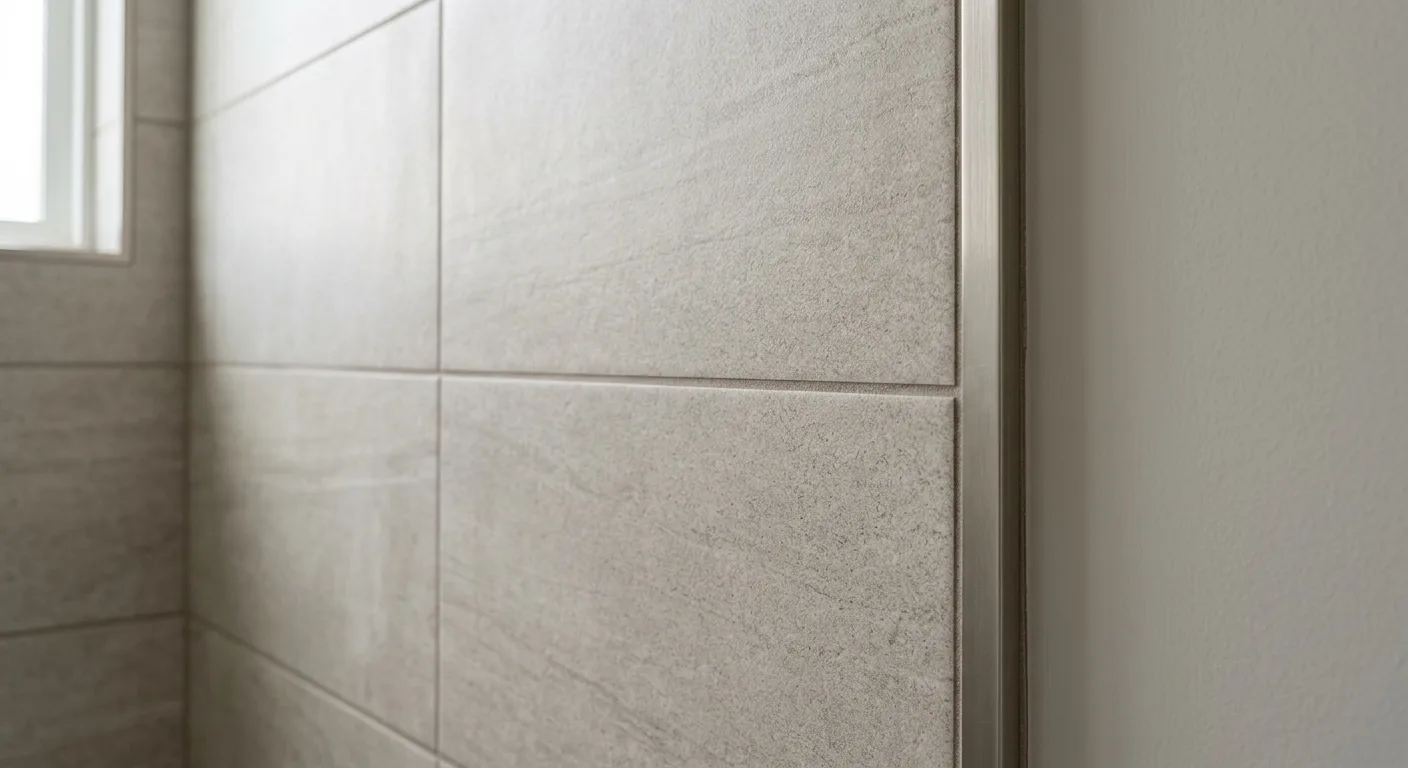
Inconsistent grout joints show immediately. Running courses off a true reference line and using spacers throughout keeps the grid tight and even, which is what makes the finished floor look professional.
Good to Know
Related Work We Handle on the Same Visit
Areas We Serve
Hundredfold Services installs tile throughout the Dallas metro and surrounding suburbs.
Call Dominique to Get Your Tile Job Scheduled
Tile installation that holds up starts with a call, not a guess.